
Shrinkage cracks
Concrete shrinks while it cures. HUD’s inspection guide calls shrinkage cracking in foundation walls rarely serious. A dry wall with a crack that has not changed calls for a measured response.
Typical cost in Sammamish
A crack in a concrete foundation wall can be a harmless shrinkage line or a sign that the wall is moving, and the surface alone does not tell an owner which. Sammamish Foundation Repair looks at what kind of crack it is first and then at whether sealing fits.
We serve Sammamish, Issaquah and Fall City. About three-quarters of Sammamish homes date from 1980 to 2009, with 1994 as the median year.
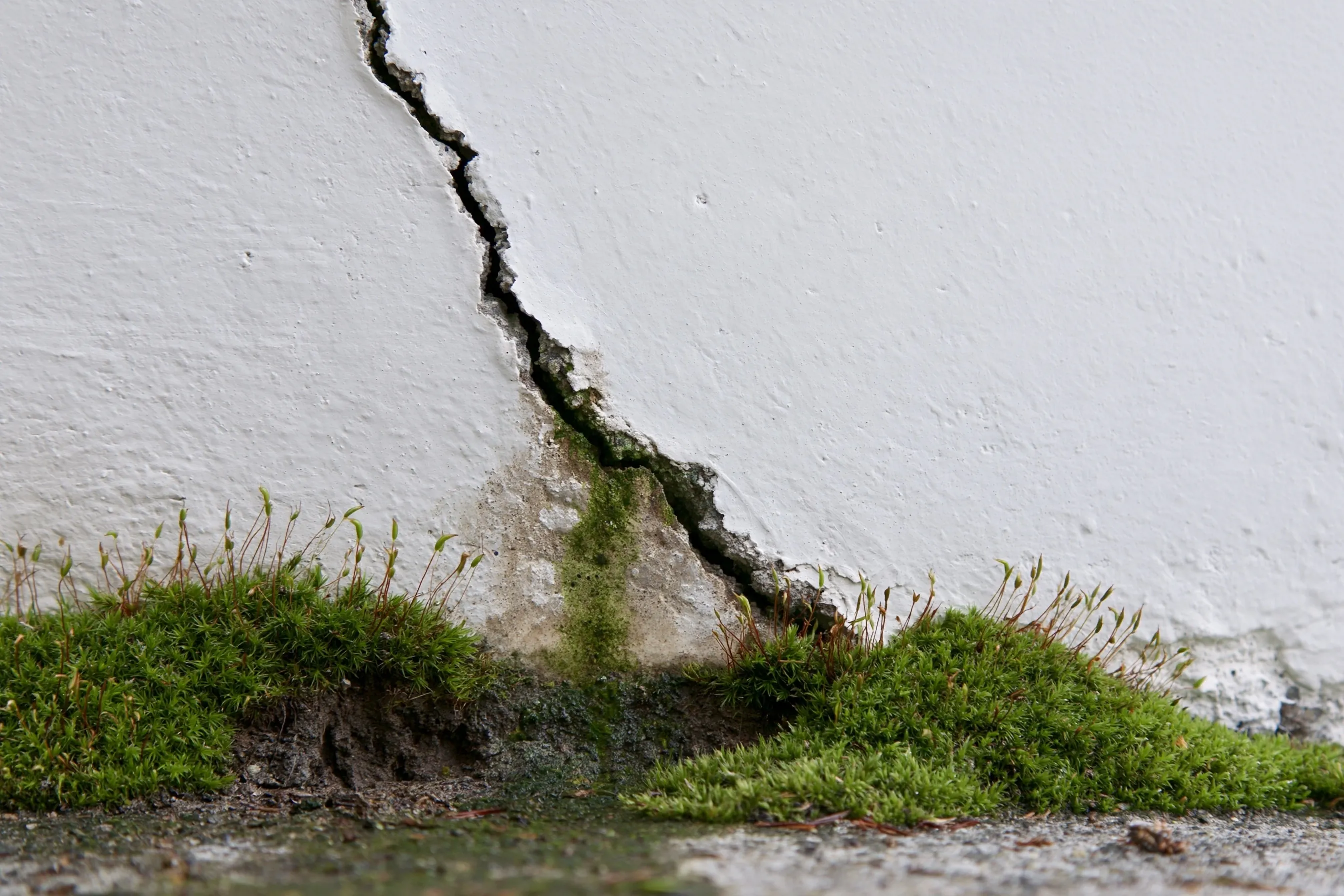
Concrete shrinks while it cures. HUD’s inspection guide calls shrinkage cracking in foundation walls rarely serious. A dry wall with a crack that has not changed calls for a measured response.
A crack wider at one end can indicate differential settlement, HUD says, from an inadequate foundation or piers under a projecting element. Sealing it addresses the opening and leaves the movement that caused it, so cause comes first. A moving foundation is covered on the settlement and piering page.
A crack that admits water is a drainage problem as much as a crack. HUD describes minor settlement cracking as mainly a concern where moisture leaks through it over a long period. Sealing may close the leak at that point, while the water outside may still need attention.
One approach is to seal the crack on the face of the wall and inject a resin through small ports along its length, working from one end to the other. The material, the number of ports and whether the work is done from inside or outside depend on the wall and on whether the crack is still moving.
A crack that moves can open again after it is filled. This page does not promise that a sealed crack will stay closed, which is why the cause is looked at before the seal is chosen.
Minnesota Extension says concrete and block foundations pick up some cracks, and that a crack can be severe when floor joists are not tied to the wall, leaving it free to move. HUD recommends a structural or soils engineer for the cause of settlement.
An engineer can help work out the cause when a crack is widening, the wall leans or bows, or floors slope and doors stick. Engineering is not something this business does, and an engineer’s report is the document the repair is then scoped against.
Cracks differ in length, depth and access, so a price follows a look at the wall. The factors are:
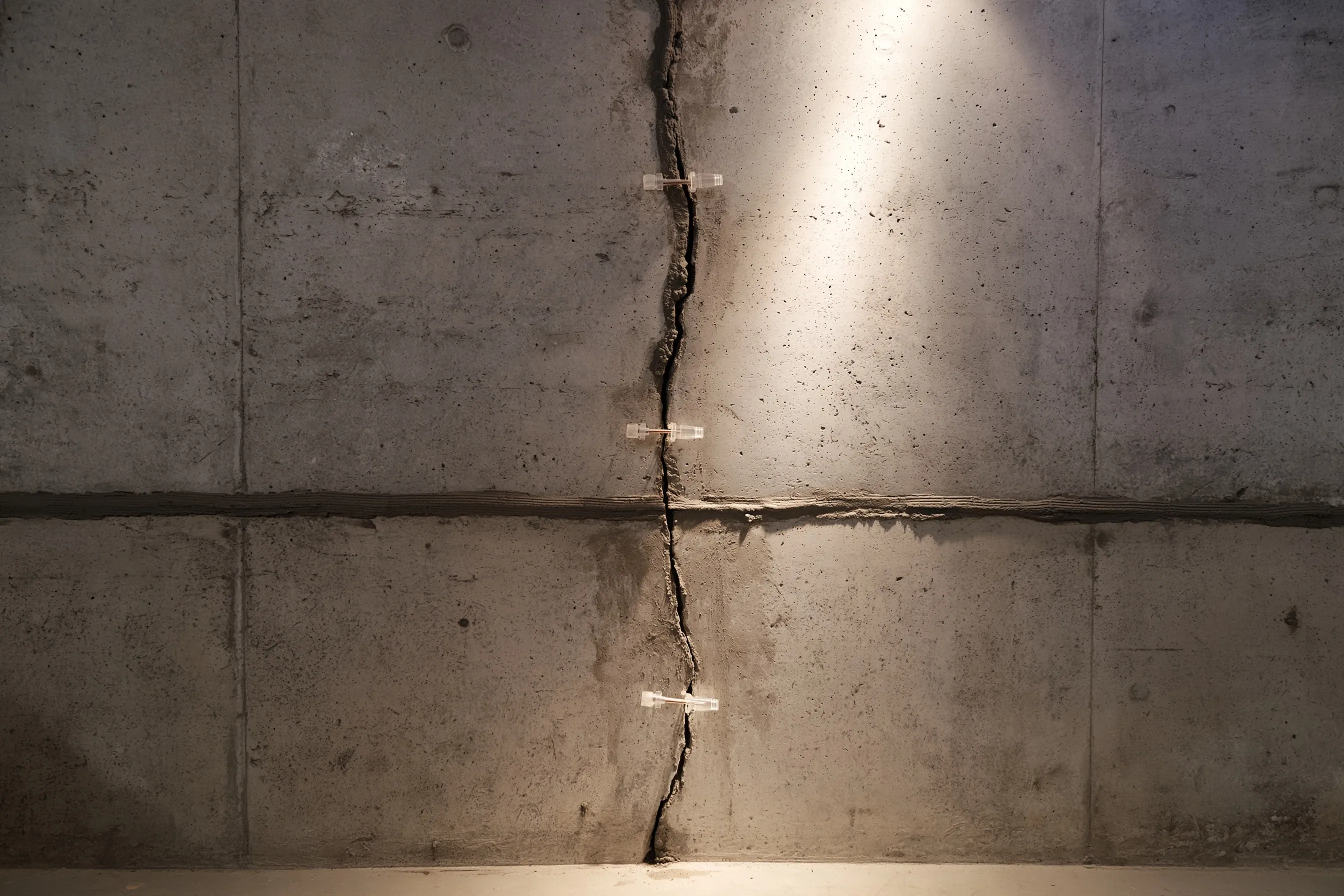
HUD describes shrinkage cracking as rarely serious, so a dry hairline that has not changed can be watched. Mark its ends with dates and check again, and call if it grows or leaks.
Both sides can be considered. Whether work is done inside, outside or from both depends on the wall, on access and on whether water comes through. The inspection settles it.
Sealing is meant to close the crack, and it may stop a leak at that spot. Water that keeps loading the wall from outside can find another way, so drainage is looked at alongside it.
A crack that was filled and then reopened is the cue to read the settlement and piering page, since movement may never have been addressed; a wall that stays wet belongs on the drainage page instead. All four services sit side by side on the Sammamish Foundation Repair home page.
Where is the crack and how long is it? Can a coin or card slide into it? Say whether water has come through, and send close-ups with a ruler beside the crack for scale. We'll get back to you soon with an estimate or any questions we have. Estimates are free and there's no obligation.
Call (425) 642-1026